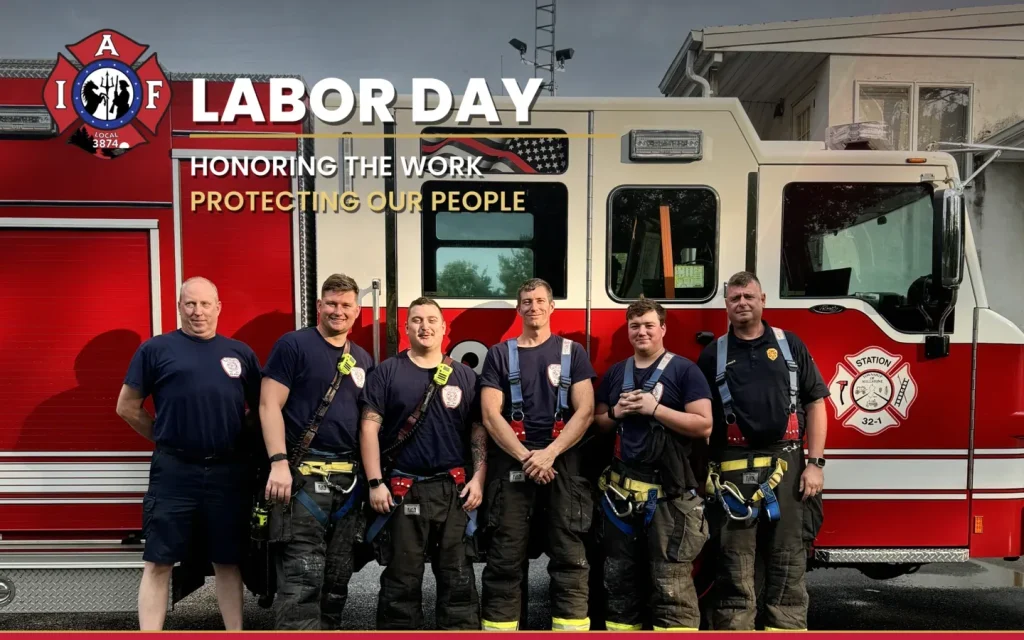
For IAFF Local 3874, Labor Day honors the working people who built our communities, the rights secured through solidarity, and our responsibility to protect one another, our families, and the future of the fire service.
Labor Day looks different from inside a firehouse.
The doors stay open, and the work continues. This Labor Day—Monday, September 7, 2026—many IAFF Local 3874 members will be on duty across Monmouth and Ocean counties, ready for whatever the day brings.
That does not make the day less meaningful to us. It makes its meaning clear.
We are firefighters and fire officers, but we are also working people. We have families, health, careers, and futures worth protecting. The principle at the heart of the labor movement—that no worker should have to stand alone—still guides what we do.
A holiday created by working people
Labor Day did not begin as the unofficial end of summer. It began with workers organizing for a voice, safer conditions, fair compensation, and time away from the job to live their lives.
In 1866, the newly formed National Labor Union called on Congress to establish an eight-hour workday. The proposal did not immediately become law, but it helped advance a basic idea: a working person’s entire life should not belong to the job.
On September 5, 1882, about 10,000 workers joined America’s first Labor Day parade in New York City. They marched together and then gathered with their families for a picnic, concert, and speeches. The celebration was organized by the Central Labor Union at a time when organized labor was pressing for better working conditions.
New Jersey has its own connection to that history. The exact originator of Labor Day remains disputed, but the U.S. Department of Labor notes that evidence supports a claim by Matthew Maguire, a machinist who later served as secretary of Machinists Local 344 in Paterson. Peter J. McGuire, a carpenter and labor leader, also has a longstanding claim. What is not disputed is that the holiday came from the labor movement itself.
By 1894, Labor Day observances had spread across the country, and President Grover Cleveland signed legislation establishing the first Monday in September as a national holiday. The designation recognized something working people already understood: their labor was essential to the nation’s strength and deserved public recognition.

The long fight for safer, fairer work
The labor movement grew during an era when many people worked long hours for low pay in dangerous factories, mines, rail yards, mills, and other workplaces. Children also worked in hazardous conditions. When an injury or illness took away a person’s ability to earn a living, an entire family could be left without support.
Progress did not arrive all at once, and it was not handed down without struggle. Workers formed organizations, documented unsafe conditions, negotiated, marched, and pressed lawmakers for change. Labor groups were among the forces that pushed states to adopt factory-inspection laws and other early workplace protections.
The consequences of unsafe work were sometimes catastrophic. The 1911 Triangle Shirtwaist Factory fire killed 146 workers in New York City and became a turning point in the campaign for stronger fire and workplace-safety protections. For those of us in the fire service, that history is a powerful reminder that fire prevention, safe buildings, worker protections, and public safety are deeply connected.
Later reforms included the Fair Labor Standards Act of 1938, which established federal minimum-wage, maximum-hour, and child-labor protections for covered workers. In 1970, the Occupational Safety and Health Act created a federal framework intended to assure safe and healthful working conditions. Each law has its own coverage and limits, but each reflects generations of work to make safety and dignity part of the standard—not favors granted only when convenient.

Firefighters are part of labor history
Professional firefighters have long understood the need to stand together. Beginning in the 19th century, firefighters formed organizations to assist members injured on the job and the families of those killed in the line of duty. Those efforts grew as firefighters confronted exhausting schedules, dangerous conditions, limited equipment, political pressure, and little security for their families.
In 1917, union firefighters in Tacoma, Washington, won a two-platoon schedule, demonstrating what organized firefighters could accomplish collectively. On February 28, 1918, 36 delegates representing 24 local firefighter unions met in Washington, D.C., and organized the International Association of Fire Fighters.
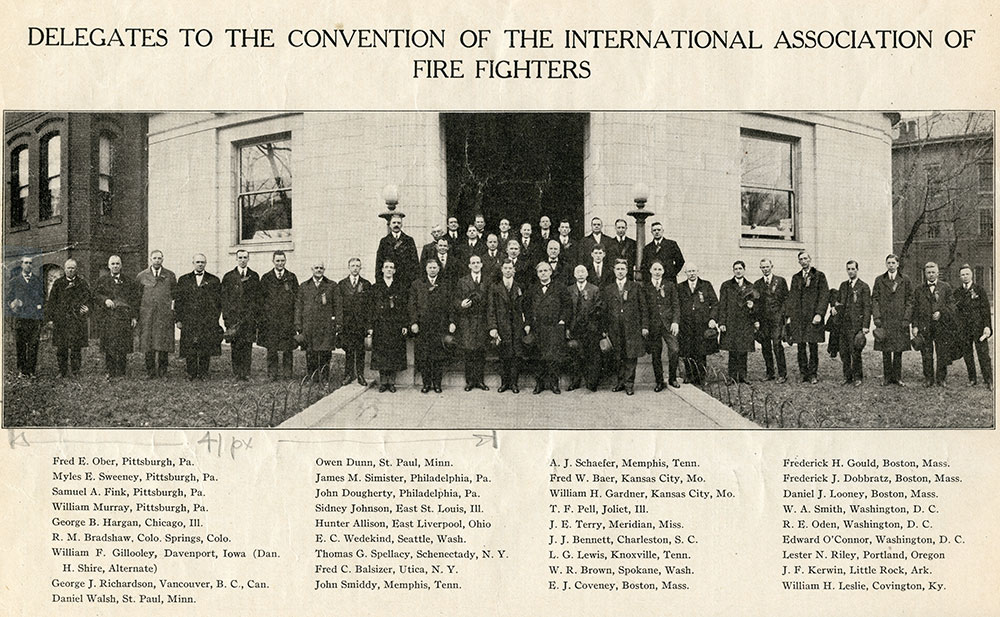
Their goals were practical and human: dignity at work, greater safety, reasonable working conditions, fair compensation, and concern for firefighters’ families. More than a century later, those priorities remain familiar because the risks and responsibilities of the profession still follow members home.

Our charter: February 1, 2000
That history became part of our own story on February 1, 2000, when the International Association of Fire Fighters issued a certificate of affiliation to the Monmouth-Ocean Uniformed Fire Fighters Assoc., New Jersey, as Local 3874.
The charter names eight charter members: Paul J. Mazzeo, Jr.; Kenneth Byrnes; Francis McDonnell; Francis J. Hines; Nicholas Mikkelson; William D. Mikkelson; Gerard Moroney; and John Schoch.
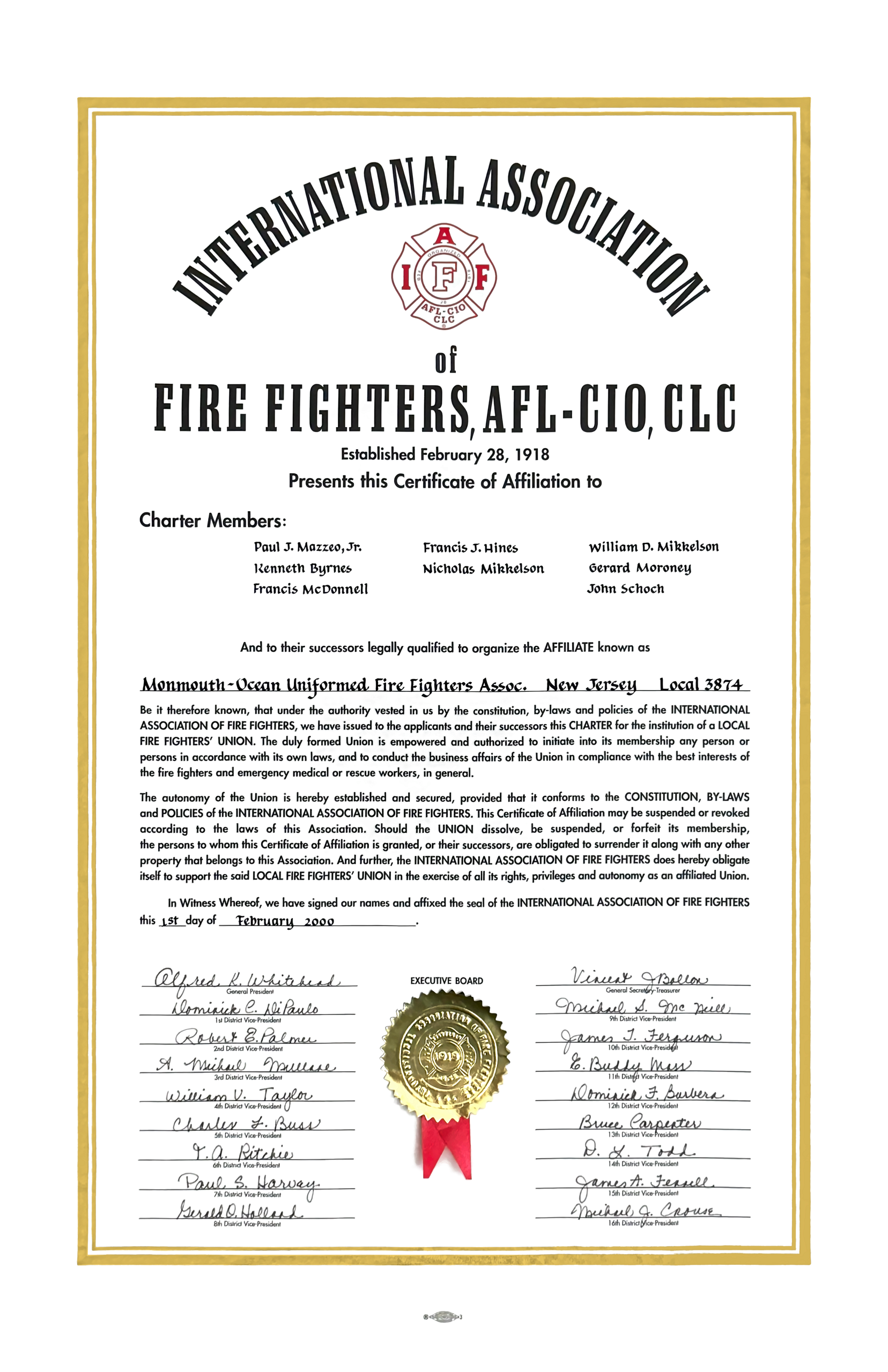
By organizing and securing an IAFF charter, those members gave firefighters a formal structure for acting together instead of standing alone. The charter recognized the Local’s authority to organize eligible members, conduct union business, and exercise the rights, responsibilities, and autonomy of an affiliated IAFF union.
February 1, 2000, marked Local 3874’s formal affiliation with the IAFF. More than a quarter-century later, that charter still connects the broader history of the labor movement to the work our members carry forward today.
What solidarity means in our firehouses
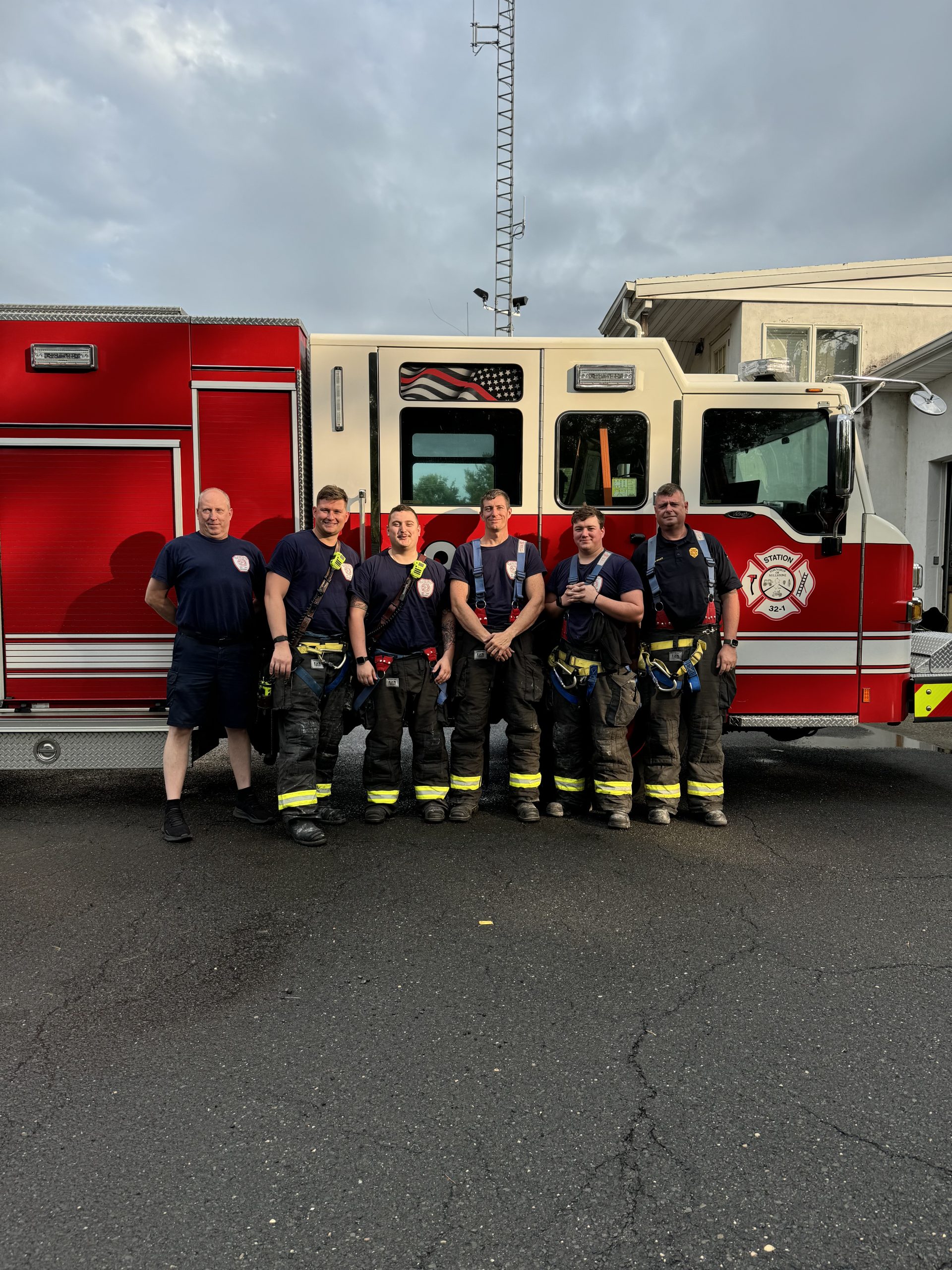
Inside a firehouse, trust is not an abstract idea. We train together, respond together, and depend on one another when conditions are difficult and the consequences are real. Labor solidarity is an extension of that same responsibility.
Collective bargaining and union representation give working people an organized way to raise concerns, propose solutions, and advocate for fair treatment. Depending on the law and the applicable agreement, that work may involve compensation, schedules, leave, training, equipment, health protections, retirement security, or fair procedures for resolving workplace disputes.
Solidarity does not require every member to agree on every issue. It means every member deserves to be heard, represented, and treated with dignity. It means a member facing a workplace problem should not have to face it alone. It means recognizing that the health of one member, the stability of one family, and the safety of one crew matter to all of us.
The work also extends beyond the bargaining table. It includes educating members, studying occupational risks, advocating for the resources needed to do the job, supporting injured or ill members, and standing beside families during difficult times.
Why it matters to the communities we serve
Working conditions and public safety are not competing interests. A dependable fire service requires trained, experienced, properly equipped people who can raise concerns and take part in improving how the work is done.
No contract or policy can eliminate every danger from firefighting. But the people closest to the work need a meaningful voice in conversations about safety, readiness, and the future of the service. When firefighters advocate for the conditions needed to perform professionally, we are also advocating for the communities that depend on us.
We owe those communities honest service, sound preparation, and accountability. We also owe our members the same concern for their lives and families that they bring to every call.
Carrying the work forward
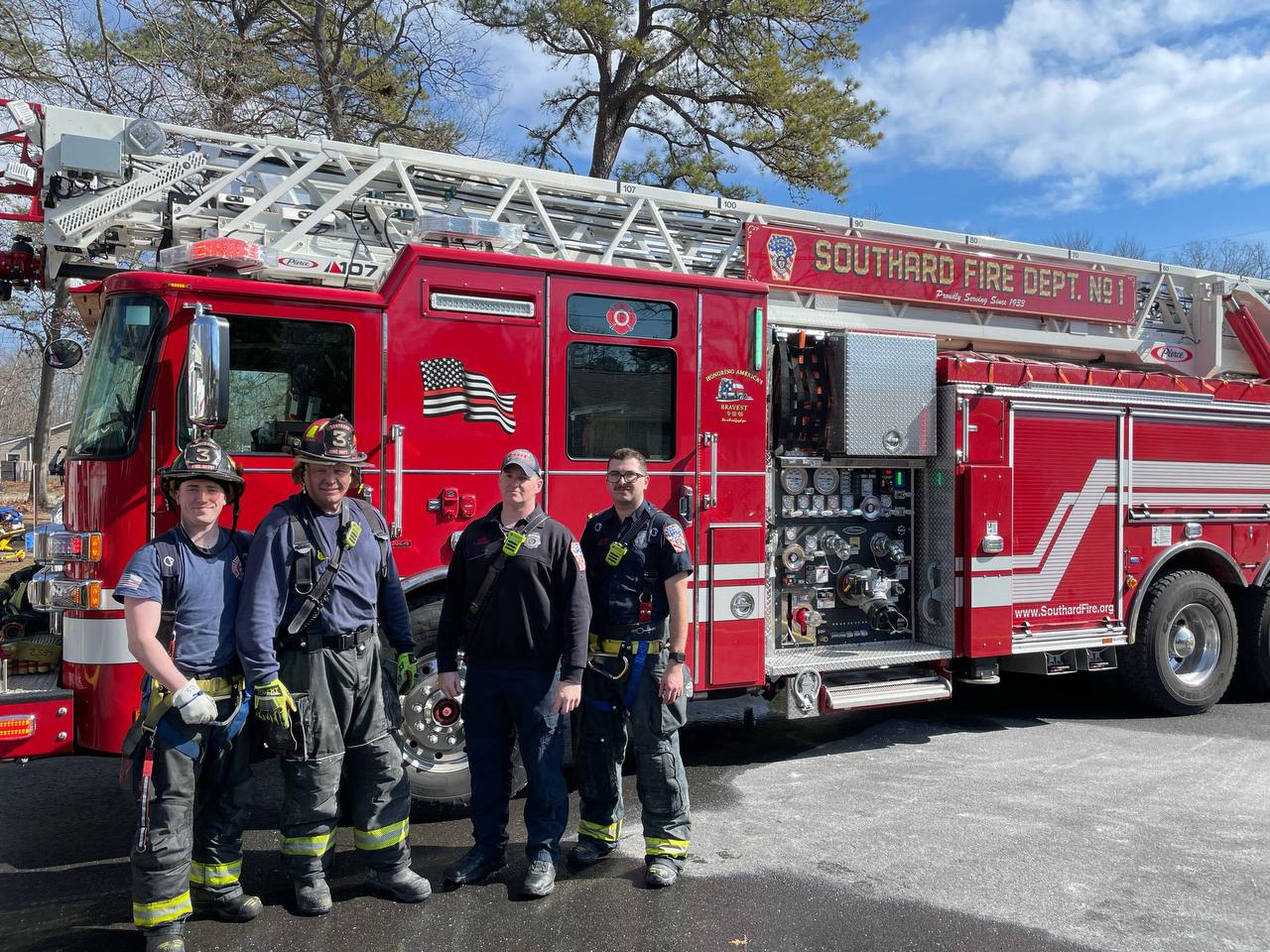
On Labor Day, some families will gather for the holiday while firefighters across our region report for duty. Meals may be interrupted, alarms will still be answered, and the responsibility to protect our neighbors will remain.
Labor Day asks us to remember the people who came before us, but remembrance alone is not enough. The rights and protections built through solidarity remain meaningful only when each generation participates, stays informed, supports one another, and leaves the profession stronger for those who follow.
For IAFF Local 3874, OUR PEOPLE FIRST means protecting the people who protect our communities. It means dignity, fairness, safety, and a collective voice—not at the expense of public service, but in support of it.
This Labor Day, we honor every working person whose effort keeps our communities moving. We remember those who organized before us, stand beside those doing the work today, and renew our commitment to the members and families who will carry it forward.
Sources & contact
- U.S. Department of Labor: History of Labor Day
- Library of Congress: The First Labor Day and the eight-hour workday movement
- U.S. Department of Labor: Early workplace-safety regulation, history of the Fair Labor Standards Act of 1938, and history of the Occupational Safety and Health Act
- Occupational Safety and Health Administration: The Triangle Shirtwaist Factory Fire
- International Association of Fire Fighters history and 1918–1928 timeline
- IAFF Local 3874 certificate of affiliation, February 1, 2000
For verified media inquiries about this article, contact IAFF Local 3874.
Keep the story moving
Share this article.
Help neighbors, members, and public-safety partners stay informed.